1

Jesus: An Alternative to Being Missional

Posted by Chris on Jan 26, 2010 in Church, Culture, God, Life

I was all for being missional before it was cool. I led a ministry in college designed to help students think of themselves as “domestic missionaries,” and have tried to approach my ministry in a way positions Christ following as a radical way of life that must be translated into the pluralistic, postmodern, pre-Christian United States.

Many great discussions about God’s mission in the world, and the purpose of the Church are helping to refocus the church, however, like any other terminology, missional has been quickly co-opted to mean whatever you want it to mean. For some it means rebranding seeker-driven formats of the 80s and 90s.  For others it means rationalizing a focus of social justice at the expense of personal morality and evangelism.

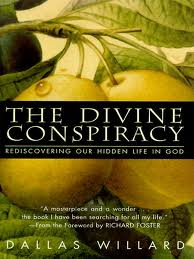
Ever since being blown away by Dallas Willard’s The Divine Conspiracy I haven’t been able to get past the idea that Churches should exist to teach people to live as Christ would if he were them. What if we just took simple ideas like “don’t hate other people” or “trust God” or “eat with people who don’t look like you” and formed sermon series, youth ministries and Sunday School classes around them?

Call me simplistic, but I’m operating from the belief that important doctrinal issues can only be worked out once you really love Jesus, are following him, and are being transformed into his image.  Focusing on the life of Jesus and his teachings would, in turn, make us naturally missional, and maybe even take the focus off some other arguments we Christians keep having.

Tags: , , , , , , ,

 
0

McLaren Thinks We’ve Lost Our Way

Posted by Chris on Aug 8, 2009 in God

Finding Our Way Again isn’t Brian McLaren’s best or most important read, but I find myself chewing on what he brought up.

The book introduces a series on 7 ancient spiritual disciplines.  The basic thesis is that Christianity’s diminishing role and potency is due to becoming just a system of belief rather than a way of life.  He shows how these 7 spiritual practices have roots in ancient traditions, in some ways reaching back to Abraham.

A few take aways:

  • There’s a great diagram on how change happens within the church.  Rebels leave the established bodies, but eventually it affects even the institutions they left.  His point is that God is at work, both within the rebels and the institutions, helping them find common ground in the middle.
  • The 3-fold path of ancient spirituality- Via Purgativa/Katharsis, Via Illuminativa/Fotosis, Via Unitiva/Theosis.  We purge ourselves of embedded sin, bask in the light of God, and join him in his work.  He has a cute parable to help communicate this.

Downsides:

  • The book seems rush and disconnected.  Pearls on a string.
  • The second is a hobby horse that he won’t get off of.  McLaren opens the book discussing the common ancestry of Judiasm, Christianity and Islam, and how we suffer from the same problems.  Though he has some interesting points, he keeps coming back on it, making you think that he’s more interested in tinkering with Universalism than teaching us how to find our way again.

Despite these downsides, it has enough pearls that it’s worth the short read.  I’m wrestling with how to make katharsis a regular part of my life.  If you’re really interested in spiritual disciplines, go read Foster or Williard or Brother Lawerence.

Tags: , , , , , , ,

Copyright © 2010 Chris Morton All rights reserved. Theme by Laptop Geek.