Posted by Chris on Jun 24, 2010 in
Church
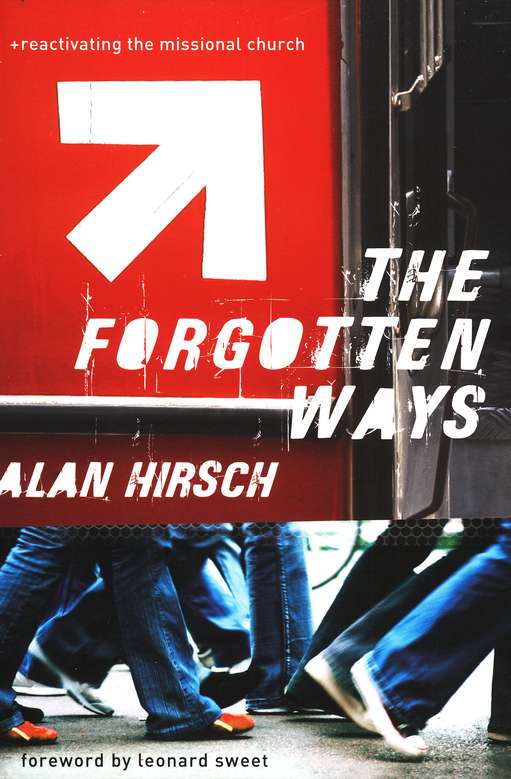
Chapter 7 of Alan Hirsch’s The Forgotten Ways addresses Organic Systems. His critique of the Church is that it has become so institutionalized that it cannot reproduce. This is compared to more organic systems like the Chinese House church and Al Queda. Hirsch makes some great points, however, I was left wondering if there is any way to transition an existing Church or denomination to a functional network.
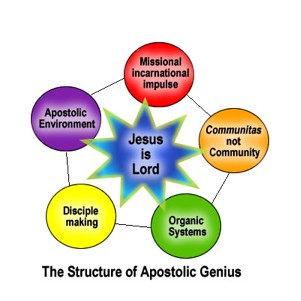
The book closes with what I found to be the most exciting chapter introducing the concept of communitas. Communitas as opposed to community is the bonding and sense of shared mission that come when people are brought together around a goal. The classic literary example of this is the ragtag band of hobbits, humans and elves in Tolkien’s Fellowship of the Ring.
The importance of building communitas is summed up in a paraphrase from Gordon Crosby of DC’s Church of the Savior: “No groups that came together around a non-missional purpose (prayer, worship, study, etc.) Ever ended up becoming missional. It was only the groups that set out to be missional (embracing prayer, worship, study, etc.) actually got to doing it.”
Could it be that so much of what we want from Church, deep relationships, spiritual growth, engaging worship, transformed lifestyles, is actually a byproduct of living life together with a purpose that brings glory to God?
Related Posts:
Tags: Alan Hirsch, communitas, Forgotten Ways, Lord of the Rings
Posted by Chris on Jun 14, 2010 in
Church
In Chapter 5, Hirsch unpacks how the missional-incarnational impulse literally shapes the local church. Linking the two words is key. We cannot live out the mission of the church without fleshing it out in our neighborhoods, workplaces, subcultures, etc.
Four marks frame incarnation, or how we present Jesus in us: presence, proximity, powerlessness and proclamation. Using these guidelines, the church can be fleshed out in different cultures.
Hirsch states that Christology (your view of Christ) determines Missiology (what the Church should be up to) which determines Ecclesiology (the structuring of the church.) Overtly, he’s arguing against an attractional paradigm, however, this also stands against traditional denominational org. charts.
Chapter 6 describes the Apostolic Environment. Taking his lead from the book of Acts, Hirsch suggests that the Church cannot be missional without Apostolic leadership. The Apostle pioneers new ground, protects the DNA of a movement, and creates an environment from which other ministries can emerge.
Drawing from Ephesians 4:7-11, Hirsch demonstrates that the Apostolic leads to Prophetic, which in turn lead to evangelistic, pastoral and teaching ministries. This “APEPT” model stands in stark contrast to the Western church’s focus on the Pastoral and Teaching ministries.
When have you seen a Church become truly incarnational? Have you ever been a part of a church that intentional utilizes the entire APEPT?
Related Posts:
Tags: Alan Hirsch, Forgotten Ways
Posted by Chris on Jun 4, 2010 in
Church
Check out part 1 of my thoughts on Hirsch’s The Forgotten Ways here.
Reading through chapter 3, I found myself almost giddy considering the simple core truth of the Christian faith: Jesus is Lord. Tradition is nice. Theology is helpful. But the core element that catalyzed the first century Jesus movement, is spreading throughout China and has been at the center of all great Jesus movement is the life changing confession that Jesus is Lord.
Hirsch unpacks just how powerful this would be in a polytheistic society, where one is living in constant fear of upsetting one deity or another. He compares this to the false claim of Communist state as Lord, as well as exposing America’s own polytheism, the worship of money, power, health, etc.
He also points out the tendency of Christians to a dangerous syncretism. His example of how the false god of comfort and power got mixed up with the Church in South Africa to create apartheid is a chilling reminder of what could happen to us.
Chapter 4 makes the argument that powerful Jesus movements are little more than disciple making systems. He quotes Neil Cole of Church Multiplication Associates saying “we want to lower the bar of how Church is done and raise the bar of what it means to be a disciple.”
The primary barrier to disciple-making is consumerism, both inside and outside the church. Our culture is set up to make us disciples of consumerism, we consume food, art, and even identities. We take this mindset with us, expecting to be “fed” at church.
Secondly, our current system of religious education also inhibits disciple-making. Unlike Jesus disciples, who met with him day in and day out, we remove a select few and pump them full of book learning, then return them to the church. This may help them learn how to think, but it often does little to help them live more like Jesus, and lead others to do the same.
Hirsch’s accusations are clear: we have added so much to the gospel and so much to the way we teach about Jesus, that it impossible for our current way of being church to spread.
What do you think? Have you seen a simpler, more effective Church?
Related Posts:
Tags: Alan Hirsch, disciple making, Forgotten Ways, Missional, missional church, missions, Neil Cole